Noise-cancelling headphones under $300: what to look for before you buy
Active noise cancelling is now common at mid-range prices. The decision is less about the best product and more about which trade-offs suit how you listen.
Active noise cancelling (ANC) used to be a premium feature. Today it is available across a wide price range, which makes the shopping problem different: not “which headphones cancel noise?” but “which compromises can I live with?” This guide walks through the decisions that matter, using how the technology works and what manufacturers publish, rather than pretending a spec sheet can tell you how a pair will feel after three hours.
How noise cancelling actually works
ANC headphones use small microphones to listen to the sound around you, then play an inverted version of that sound so the two largely cancel. The approach works best on steady, low-pitched noise: engine rumble, air-conditioning hum, the drone of a train. It is much less effective on sudden or high-pitched sounds such as voices, clatter or alarms.
That has two practical consequences. First, expect a big difference on a plane or commuter train and a smaller one in a chatty café. Second, the physical seal of the ear cups or ear tips still does a lot of the work, so fit matters as much as electronics.
The decisions that matter
Over-ear, on-ear or in-ear
| Style | Strengths | Trade-offs |
|---|---|---|
| Over-ear | Largest drivers, passive isolation from the cups, long battery | Bulky, can run warm, harder to carry |
| On-ear | Lighter and more compact | Pressure on the ears, usually weaker isolation |
| In-ear (true wireless) | Pocketable, light | Small batteries, fit depends on ear tips, easy to lose |
Over-ear designs usually give the strongest isolation for travel and open-plan work. In-ear designs win for portability and exercise. If you wear glasses, check how the cups sit against the arms.
Battery life and charging
Manufacturers publish battery life with ANC on and off; compare the ANC-on figure, which is the realistic one. Look for quick-charge support (a few minutes of charging for hours of playback), and whether the headphones keep working over a cable when the battery is flat, which is handy on flights.
Codecs and wired options
Bluetooth audio quality depends on the codecs both your headphones and your phone support. Every Bluetooth headphone supports the basic SBC codec; AAC is common on Apple devices, and several others exist on Android. For most listeners the codec matters less than the tuning of the headphones themselves. A 3.5 mm or USB-C wired option is a useful fallback.
Calls and microphones
Call quality is a common weak point and rarely appears on a spec sheet. If you take many calls, check what the maker says about microphone count and wind handling, and read the return policy so you can test calls in your own environment.
Features worth caring about
Marketing claims to treat with caution
- “Up to” battery life. It is measured under ideal conditions, often at moderate volume.
- “Studio quality” or “hi-res”. Without the right source and a wired or high-bitrate codec path, this is a label, not an experience.
- Decibel-reduction numbers. They are not measured in a standard way across brands, so they are not comparable.
- Water-resistance ratings. An IPX rating describes tested conditions, not permission to swim; check what the rating covers.
Why ANC headphones suit most people
- Cut engine and air-conditioning noise, which reduces listening volume
- Useful on flights, trains and in open-plan offices
- Transparency modes make them usable around traffic and announcements
Where they may not
- Some people feel pressure or a sensation of fullness from ANC
- Batteries are sealed and wear over years
- Sudden and high-pitched sounds still get through
A simple way to choose
- Decide where you will use them most: travel and office points to over-ear; commuting and exercise points to in-ear.
- Set your budget ceiling and a battery floor, such as at least 20 hours with ANC on for over-ear designs.
- Shortlist two or three models whose published specs meet your list, and read several independent measurements and long-term owner discussions rather than a single source.
- Buy from a retailer with a clear return window, and use the first week to test comfort over a full session and call quality in your own environment.
What to shop for: over-ear ANC with multipoint and 20+ hours of battery
This profile covers the most common needs: travel, open-plan work and calls, with a wired fallback.
Placeholder link: affiliate links will be added here. Prices change, so check the current price.
Browse optionsQuestions readers ask
Is noise cancelling bad for your ears?
ANC itself does not emit harmful sound. It can actually let you listen at lower volumes in noisy places. Some people feel pressure or discomfort with it and prefer to switch it off.
Do I need noise cancelling for an office?
It helps with steady background noise like air conditioning and distant traffic, but speech from nearby colleagues still gets through. Fit and over-ear isolation help more than the ANC setting alone.
Are in-ear or over-ear headphones better at cancelling noise?
Over-ear models usually isolate more because the cups provide passive isolation. Well-fitted in-ear models can be very effective too, but results depend on ear-tip fit.
Should I buy last year’s model?
Often a reasonable choice, since improvements between generations are typically incremental. Check that software support continues and compare the return policy.
Affiliate notice. Some links on this page may become affiliate links. If you buy through them we may earn a commission at no extra cost to you, and it never changes what we recommend. Read our affiliate disclosure.
Related stories
Mechanical keyboards for beginners: switches, sizes and what to skip
A plain-language guide to switch types, layouts, keycaps and the extras you can skip on your first mechanical keyboard.
Read more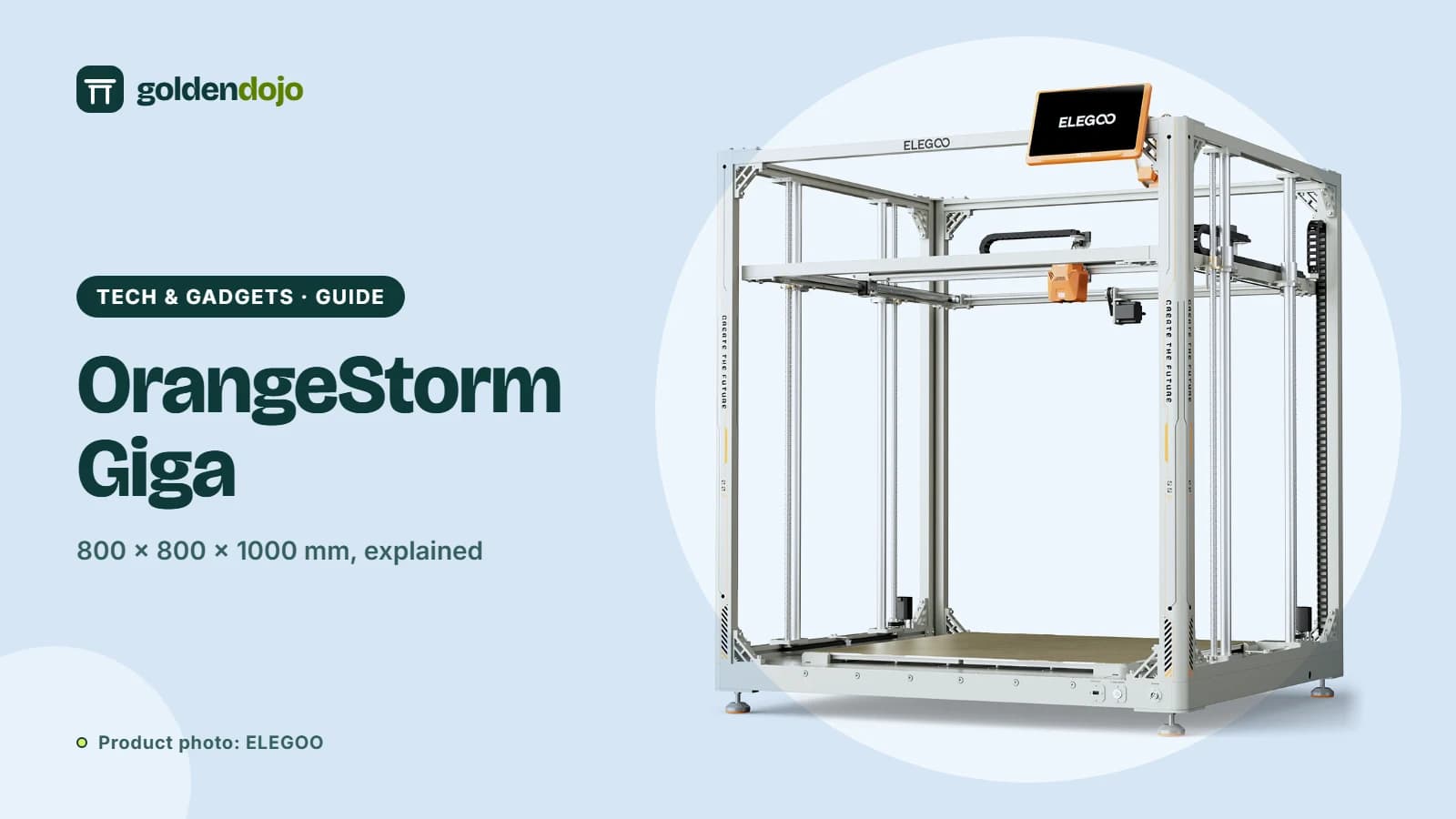 Maker tech
ELEGOO OrangeStorm Giga: is an 800 mm build volume right for you?
A guide to the ELEGOO OrangeStorm Giga: build volume, four-zone heated bed, multi-nozzle option, and the practical limits of printing at this size.
Read more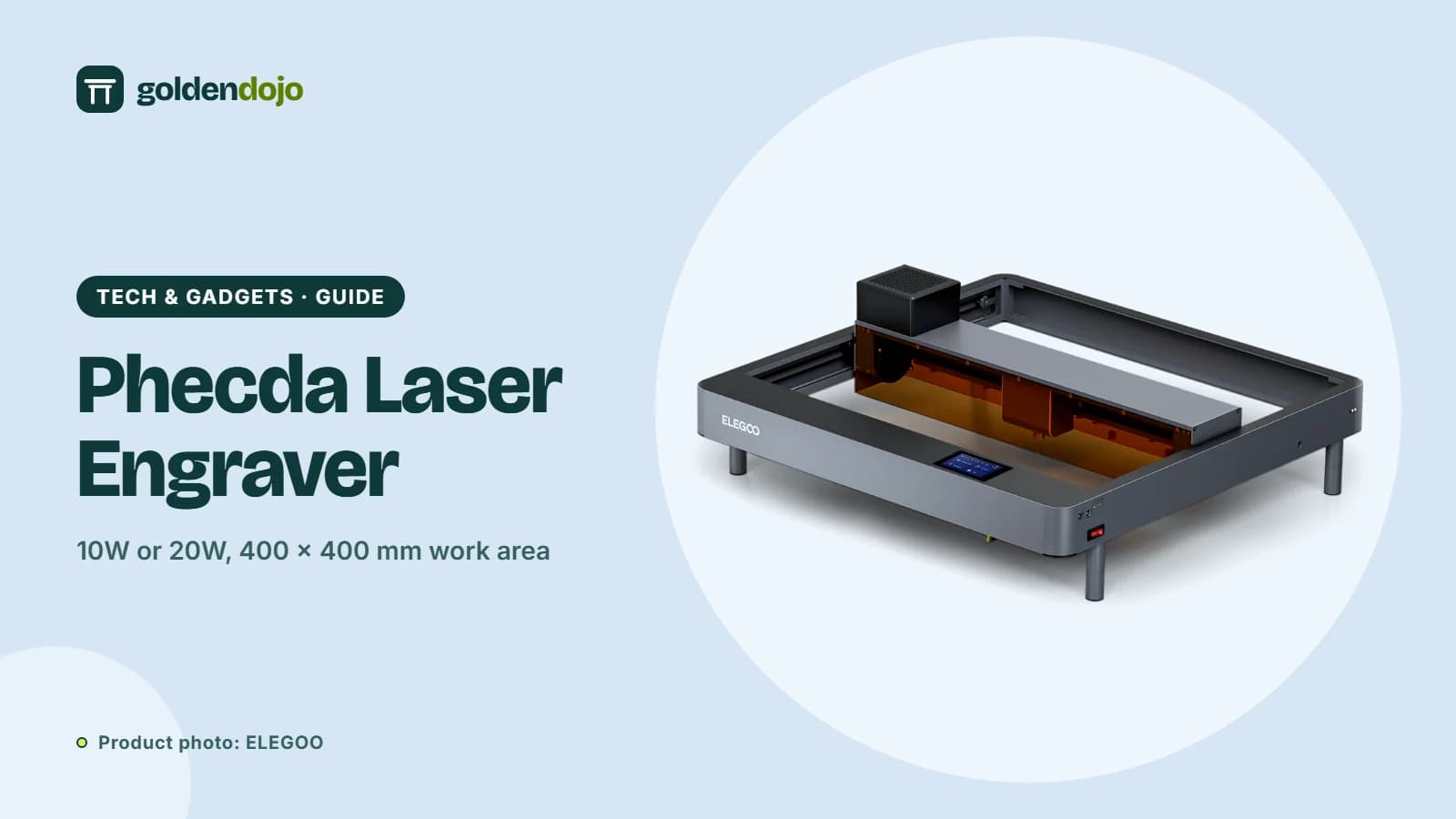 Maker tech
ELEGOO Phecda laser engraver: 10W or 20W, and what it can cut
A guide to the ELEGOO Phecda laser engraver and cutter: 10W vs 20W, work area, materials, software, safety features and add-ons.
Read more